
What don’t you like about your tap water? Is it the taste? Is it the corrosive effects on your plumbing? Do you experience dry itchy skin after your shower? Have you ever stopped to think about what’s actually in your tap water? It’s a fair question these days, with so many things affecting water quality. Many families are now looking for better ways to make sure their drinking water from every tap in the house is as pleasurable as possible. This is where a whole home water filter system really shines. People are starting to see these systems as a clever way to get much better water right from their own taps.
Key Takeaways
- A whole home water filter system is as good as the cartridges/filters that are in it.
- It works step-by-step to clean water more thoroughly than single filters.
- A wide range of things you don’t want are removed, like chlorine, dirt, calcium, limescale and even some heavy metals. Once again, this will depend on the filters used.
- You’ll likely notice a big difference in how your water tastes and smells, even how it feels on your body – much better!
- When water tastes great, people will drink it. This can help your family stay well, which is always a plus.
- Getting one of these systems is a good investment for your house and gives you peace of mind about your water.
Why Filtration is Key
Why is filtration so important? Whilst our water corporation ensures we are receiving water that is free from bacteria and other micro-organisms, through proper chlorination, the taste and odour are off-putting. However, it’s about more than just getting rid of that funny taste. Hard water can affect the pleasure of your shower, reduce the lifespan of your water-using appliances and contribute to itchy skin & hair loss. It’s about ensuring the water you and your family use every day is the best it can be. Many households are now turning to whole house water filter systems, and for good reason. Let’s explore why.
How Filtration Works
Filtration is essentially a process of removing unwanted substances from water. Think of it like a sieve, but on a microscopic level. Different filters target different things, from sediment and rust to other particulates that can affect the taste and quality of your water. The goal is to provide better-tasting water for your home.
Key Stages in a Typical System
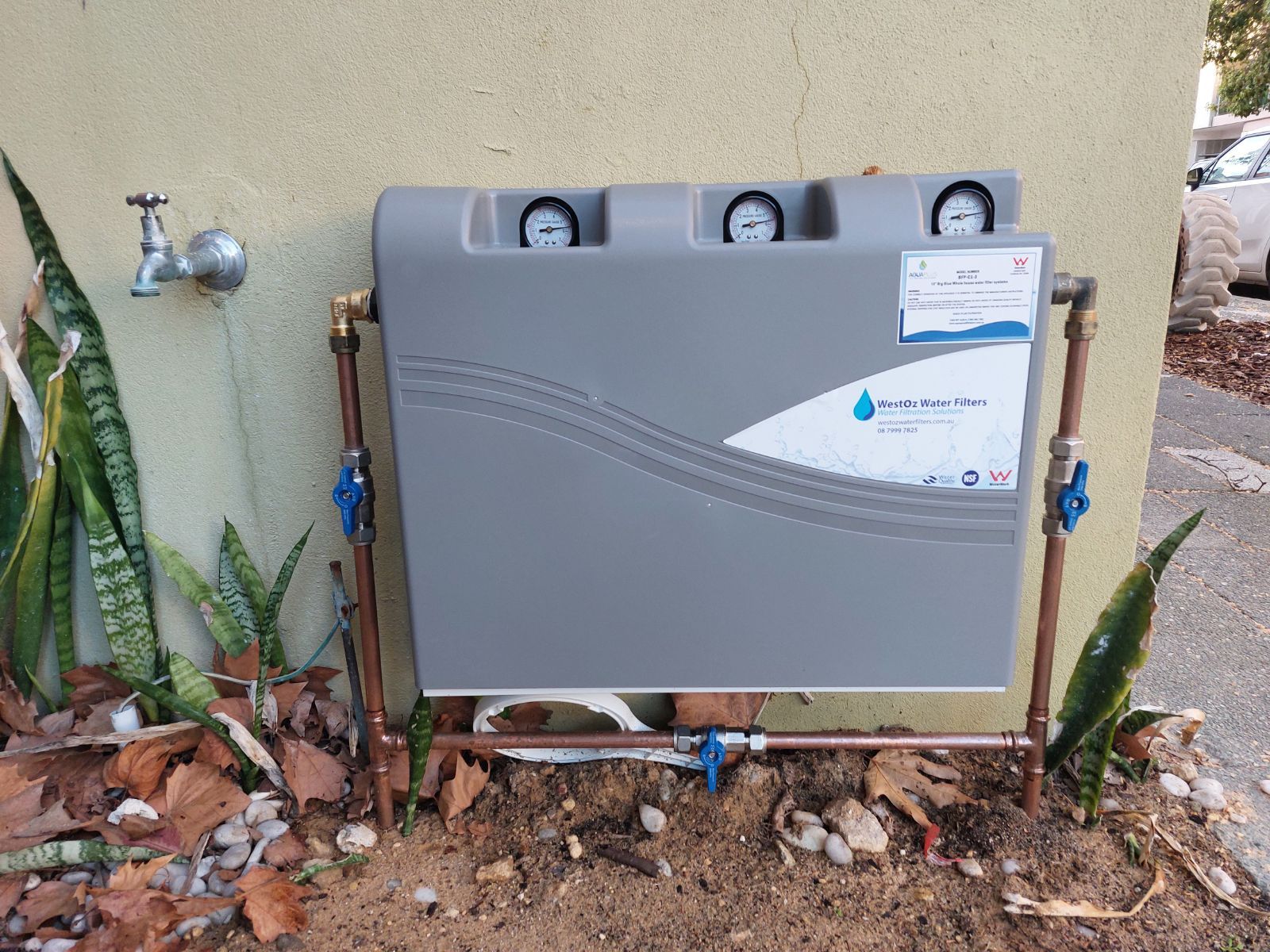
Whole home water filter system often involves a series of filters, each designed to tackle a specific type of particulate. A typical setup for Perth homes might include:
- A sediment filter to remove larger particles, including limescale.
- A resin filter to remove calcium, which softens your water.
- A finer carbon filter for chlorine, heavy metals and smaller particulates, which conditions your water.
“Since installing our whole house filter, the water tastes so much cleaner, is softer on my hair and skin and I worry less about the damage it was doing to my plumbing appliances,” says Sarah from down the street. “It’s a small change that makes a big difference.”
These stages work together to provide a thorough water filtration process, ensuring a standard of water for your household that is more desirable for you. It’s a bit like having a dedicated particulate removal crew for your water supply!
Understanding Whole Home Water Filter System
Whole home water filter system is becoming increasingly popular, and for good reason. They offer a more thorough approach to water purification compared to simpler, single-filter solutions. You may ask: “How do they actually work, and what makes them so effective?”
How Whole Home Water Filtration Works for Perth Homes
At its core, whole home water filtration involves passing water through a series of filters, each designed to tackle different types of impurities. This layered approach ensures a more comprehensive clean than a single filter could achieve. Think of it like a team effort, where each filter has a specific role to play. The beauty of these systems lies in their ability to target a wide range of unwanted elements, from larger particles to microscopic particulates.
- First, water enters the initial filter, which is usually a sediment filter. This stage removes larger particles like sand, silt, limescale and rust. This protects the subsequent filters from clogging and improves their efficiency.
- Next, the water passes through a resin filter. This type of filter is excellent at removing calcium carbonate and magnesium carbonate, relatively small particles. This softens your water.
- Finally, the water passes through a complex carbon filter, removing chlorine, heavy metals, weedicides, pesticides, and more, conditioning your water. If a plain carbon filter is used, it only removes chlorine.
The key to a successful whole house filter system is the careful selection and arrangement of these filters. By combining different filtration methods, these systems can deliver water that is softer, cleaner and better tasting. It is important for the consumer to know what filters are being added into the whole house water filter system and that they will meet their needs.
Key Stages in a Typical System
While the exact configuration can vary, most whole home water filter systems include several key stages. Understanding these stages can help you appreciate the benefits of this type of filtration.
- Sediment Filter: This is usually the first line of defense, removing larger particles that can cloud water and damage other filters. Think of it as the bouncer at a club, only letting the ‘right’ sized particles through.
- Resin Filter: This stage is crucial for softening Perth water. It removes calcium carbonate and magnesium carbonate.
- Specialty Filters: the KDF/ Heavy Metal filter removes chlorine, heavy metals, weedicides, pesticides, micro-plastics, PCB’s, conditioning your water.
One customer told us, “Since installing our whole house water filter system, the water tastes so much better, and I feel much happier drinking it straight from every tap in the house.”
Benefits of Whole Home Water Filter System
Improved Taste and Odour
Let’s be honest, nobody wants water that tastes or smells funny. Whole house water filtration really shines here. By removing various particulates, these systems can significantly improve the taste, odour and feel of your water. It’s not just about size: it’s about enjoying every glass.
Removal of Particulates (Sediment, Calcium/limescale, Chlorine,)
Whole home water filters are designed to tackle a wide range of unwanted substances. They often include stages specifically targeting sediment, chlorine, and other things that can affect water quality. This layered approach ensures a more thorough water filtration process than a single filter could achieve.
- Sediment filters catch larger particles like sand and rust.
- Resin filters take care of calcium and limescale.
- Activated carbon filters reduce chlorine and organic compounds.
- Specialty filters can target specific concerns.
Bodies Feel Great!
While we don’t make specific health claims, many households report feeling better about the water they’re drinking after switching to a whole home water filter system. Having soft, luxurious feeling skin after the shower, as opposed to dry itchy skin, is a joy. It’s about peace of mind, knowing you’re providing your family with the best possible water experience to overcome specific water issues.
It’s important to remember that a whole home water filter system is an investment in your home and your family’s comfort. By taking the time to choose the right system and maintain it properly, you can enjoy better-tasting water for years to come.
Choosing the Right Whole Home Water Filter System
Choosing the right whole home water filter system can feel a bit daunting, but with a little thought, you can find the perfect fit for your household. It’s about balancing your needs with what’s available, ensuring you get the water filtration system for your home that will solve the issues you have.
Factors to Consider (Capacity, Installation, Maintenance)
When selecting a whole home water filter system, there are several things to keep in mind. It’s not just about going for the fanciest or biggest model; it’s about finding one that suits your specific circumstances. Let’s break it down:
- Capacity: How much water do you actually use? It is the number of people in the home, rather than the size of the home, that is of importance. Getting the right capacity ensures you’re not constantly waiting for filtered water, or wasting money on a system that’s too big.
- Installation: Installing a filter that taps into the main water line into your home must be done by a licensed plumber. Cost will vary according to where it is installed. Do you want the retic included or not? Do you want an outside tap included (for car washing)?
- Maintenance: All water filter systems require some level of maintenance, primarily filter replacements. Check how often each filter needs changing and how easy it is to do. Some systems have indicators that tell you when it’s time for a change, which can be really handy. Also, factor in the cost of replacement filters when comparing different systems. Are the filters universal and can be purchased anywhere, or specific to that company? It’s a recurring expense, so have clarity about your future commitment.
It’s worth taking the time to assess your water usage habits and the space you have available before making a decision. A little planning can save you a lot of hassle down the line.
Consider the quality of the components to ensure system performance and durability.
Making the Switch: A Smart Investment for Households
Whilst switching to a whole home water filter system might seem like a big decision, many households are finding it’s a worthwhile investment. It’s about more than just water; it’s about peace of mind and long-term savings. Let’s explore why making the switch could be the right choice for you.
Benefits of Switching from Bottled Water
- Cost Savings: While there’s an initial outlay, think about how much you currently spend on bottled water. Over time, a multi-stage system can significantly reduce this expense. Plus, it can help protect your appliances from scale buildup, potentially extending their lifespan. Customers have shared that it costs an adult over $1000/year to purchase bottled water. For a family of four, thats up to $4000 – more than the cost of a new multi-stage water filter!
- Convenience: No more lugging heavy bottles from the shop and having space to store them! Having filtered water on tap is incredibly convenient, especially for families. It simplifies everything from making a cup of tea to preparing meals. A busy parent shared, “It’s so much easier now. The kids can fill their water bottles themselves, and I don’t have to worry any more about racing to the shop when we run out of water.”
- Environmental Impact: Reducing your reliance on bottled water is a great way to minimise your plastic waste. It’s a small change that can make a big difference to the environment. Choosing filtered water over bottled reduces single-use plastic, supporting lower bottled water usage and smarter habits at home.
Investing in a whole home water filter system is an investment in your home and your family’s future. It’s a decision that offers both immediate and long-term benefits, making it a smart choice for households looking to improve their water experience and reduce their environmental footprint.
Benefits for Your Plumbing Appliances
- Perth’s combination of hard water and chlorine appears to have a corrosive effect on plumbing appliances – taps, showerhead, hot water system, dishwasher, kettle, washing machine. $1000’s can be saved by increasing the longevity of these appliances when using whole home filtered water. Plumbers state that hot water systems in Perth last only five years. This has been shown to increase to 20 years with whole house filter in place.
- Descaling the coffee machine becomes way less frequent – saving time as well as reduced cost in purchasing less descaler.
Benefits in Day-to-Day Living
- Reduction or elimination of fabric softener in the washing machine.
- No more scale remover required when cleaning the shower glass.
- Less shampoo and conditioner required when using soft water in the shower.
- Applying moisturiser to your body becomes a choice, not a necessity.
- Reduced irritability, just because you ‘feel great’!
Factors to Consider Before Switching
Before you take the plunge, it’s worth considering a few things:
- Water Usage: How much water does your household use? This will help you determine the right system capacity.
- Installation: Be prepared for a licensed plumber to come onto your property for a couple of hours to install. Assessment by a professional beforehand, ensures installation is where you want it.
- Maintenance: How often will you need to replace the filters, and what’s the cost? Factor this into your budget.
Ultimately, the decision to switch to a whole house water filter system is a personal one. Consider your needs, your budget, and the long-term benefits. Many households are finding it’s a smart investment that contributes to a more sustainable lifestyle.
Wrapping Things Up
So, there you have it. We’ve gone through why more and more homes are looking at a whole home water filter system. These systems are pretty good at removing things you can’t even see. It’s not just about having water that looks clear, though that’s a big plus. It’s about feeling calm, knowing that every drink you pour, every meal you make, is done with water that’s been cleaned just that extra amount.
Ready to take the next step? Get in touch with our water filter expert team today and we’ll help you choose the right whole home water filter system for you and your family.
Frequently Asked Questions
Can a whole home water filter work for any home?
Yes, providing there is access to your mains water line. What matters most is how much space you have and how much water your household uses. The number of people in the home is more important than the size of the home when deciding on the size of a system. It’s always best to chat with a water expert to find the right fit for your place.
How do I know when to change the filter in my whole home water filter system?
How often you change filters depends on the type of filter and how clean your water is to begin with. Usually in Perth, filters for dirt need changing every three to six months, keeping the other two viable for 12 months. Signs you need a new filter include slower water flow, a different taste or smell in your water, or if the filter itself looks discoloured. Always follow what the supplier of your system suggests for your area.
Do these filters take out good minerals from the water?
No, most modern drinking water filters – like the whole home water filter and reverse osmosis (RO) water filter – filters out unwanted particulates, but also add good minerals back in. This means that your drinking water is now left with good mineral and high oxygen content, which improves taste and hydration as well as removing unpleasant odours.
What undesirable things does whole home water filter remove?
These systems are brilliant at removing many particulates from your water that you may not want. This includes tiny bits of dirt, rust, and sand (known as sediment), the taste and smell of chlorine. What is removed, does depend on the filters used. Depending on the micron rating and the composition of the cartridges used, particulates like PFAS, microplastics, weedicides, pesticides can be filtered out – only if they are in the water in the first place.
What should I consider before buying a whole home water filter system?
Before you buy, think about a few key things. First, how much water does your household use each day? How many people are living in the home? This helps decide the right size, or ‘capacity’, of the system. Second, where will it be installed, and plumbing cost? Third, how much work will it be to look after it, like changing filters? For bore water, it is a good idea to test your water first to know exactly what needs to be filtered out.
Is it really worth the cost to get a whole home water filter?
While the initial price might for some people seem a bit high, many find it’s a very smart buy in the long run. You get much better-tasting water, which is great for your family’s enjoyment. Plus, you could be saving money by not buying bottled water. At the very least, it’s an investment in the future of your plumbing appliances and can certainly pay off over time.